
Why Hamilton Lawns Get Moss (And How To Get Rid Of It)
Published 21 August 2026 · Gecko Lawns, Hamilton
Moss takes over a Hamilton lawn because our winters hand it everything it wants at once: wet ground, low light, cool soil and heavy Waikato clay that holds water. Kill it with sulphate of iron, rake it out, then fix the shade, the compaction and the mowing height — or it will be back next July.
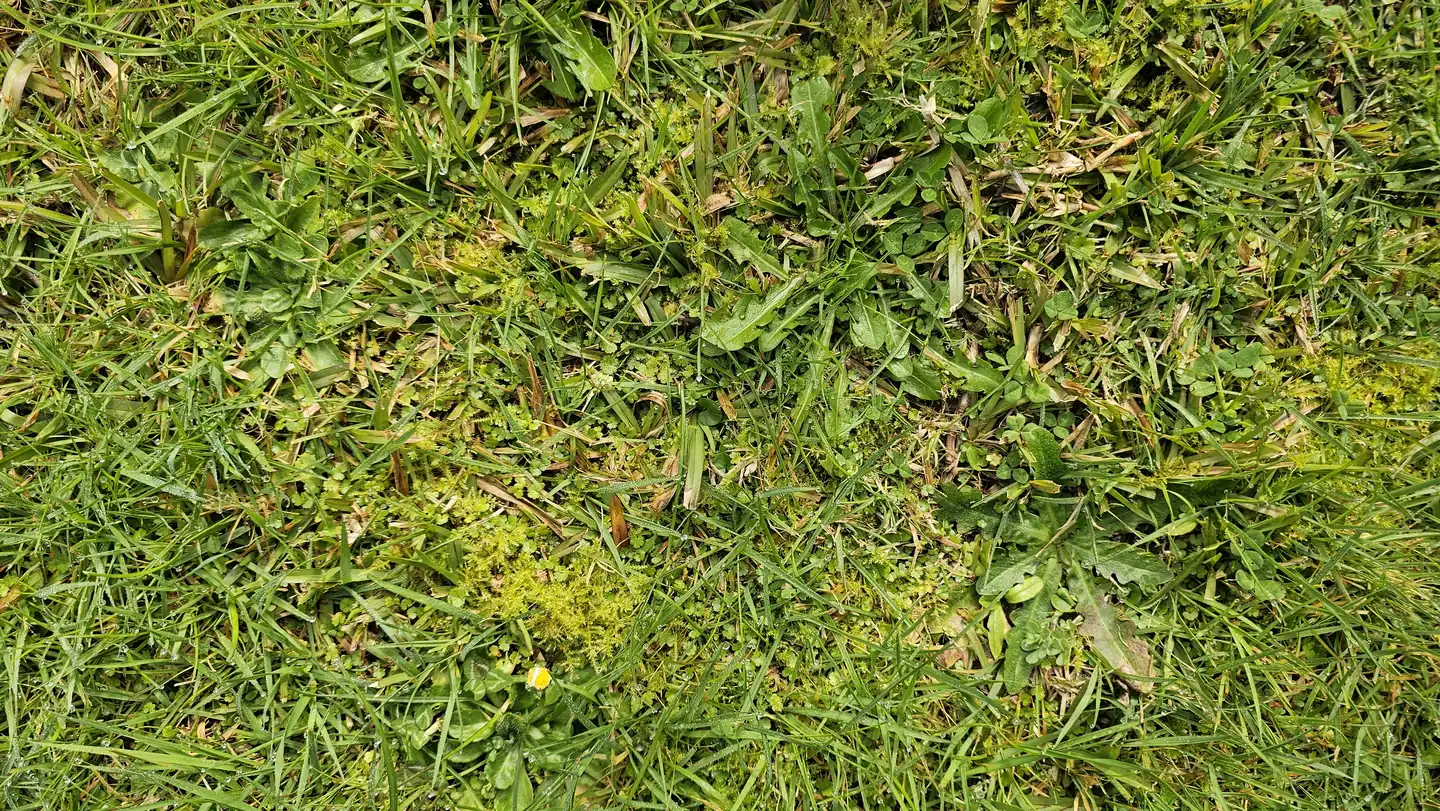
Every August we get the same call. Dark green, almost black patches down the fence line, under the trees, along the south side of the house. The lawn looks fine in February and looks like a swamp in August, and nobody can work out what changed.
Nothing changed. That’s the point. We’ve been mowing Hamilton lawns since 2007, and moss shows up in the same spots on the same properties every single winter. Here’s why, and what actually works.
Moss Isn’t The Problem. It’s The Symptom.
This is the bit most people have backwards.
Moss doesn’t push grass out. Moss is weak. It can’t compete with healthy grass for anything. What it does is move into space the grass has already given up on.
So when you see a moss patch, don’t ask “how do I kill this moss”. Ask “why did the grass stop growing here”. In Hamilton the answer is almost always one of four things.
The Four Reasons Hamilton Lawns Grow Moss
1. Shade
From June to August the sun sits low. A fence, a hedge or a two storey house next door throws a shadow across half the lawn for the entire day. Grass in permanent winter shade stops growing. Moss doesn’t care.
Look at where your moss is. Nine times out of ten it’s the south side of a fence or under a tree, and it stops in a hard line exactly where the sun starts hitting the ground.
2. Waikato clay and compaction
A lot of Hamilton sits on heavy clay. Clay holds water rather than draining it, so after a wet week the top few centimetres stay saturated. Grass roots in waterlogged soil can’t breathe and the plant goes backwards.
Compaction makes it worse. Wheel tracks, the path everyone walks from the back door to the shed, where the trampoline sat all summer. Squashed soil drains even slower. If the same spots on your lawn squelch after every rain, that ground is compacted, and aeration is what fixes it.
3. Mowing too short
Scalping the lawn over winter is one of the most common ways people cause their own moss problem. Short grass lets light straight onto the soil surface, and a shorter leaf means a shallower root.
Winter is the time to lift the mower up a notch, not drop it. That extra bit of leaf keeps the ground shaded and gives the grass something to work with while it’s barely growing.
4. Hungry, acidic soil
Grass that hasn’t been fed in a couple of years is thin, and thin grass leaves gaps. If the soil has also drifted acidic, the grass struggles further while the moss carries on unbothered. Worth checking — but check it, don’t assume it. More on that below.
How To Actually Kill It
The killing part is easy and cheap.
Sulphate of iron. Sold at every garden centre in Hamilton, usually labelled as lawn moss killer. Mix it to the rate on the packet and water it on. Within a few days the moss goes black. At label rates it won’t hurt the grass.
Keep it off the concrete. Iron stains paving, driveways and pavers rust brown, and that mark does not wash off. Spray on a still day and stay well clear of the edges.
Rake the dead moss out. This bit gets skipped and it matters. Dead moss left lying there is a mat sitting on top of the soil, blocking light and air from whatever grass is left underneath. Give it a hard rake and pull the black stuff off the lawn.
Sow seed into the bare patches. You will have gaps. Fill them, or the moss just moves straight back into the same space.
A Word On Lime
“Chuck some lime on it” is the standard advice over the fence in this country, and it’s half right.
Lime is not a moss killer. It raises soil pH, which helps the grass compete — but only if your soil is actually acidic. You can’t tell that by looking at it. A pH test kit costs a few dollars at the garden centre. Test first. Liming a lawn that didn’t need it does nothing except lighten your wallet.
Timing: Do It Now, Not In June
Late August into September is the window in the Waikato.
The moss is easy to spot, the soil is warming up, and the grass is about to take off. So the bare patches you rake out get covered by new growth in a few weeks instead of sitting as bare dirt.
Do the same job in the middle of June and you’re looking at open ground until October. That’s the whole reason we tell clients to sort the winter damage before spring growth kicks in, not after.
Where We See It Worst Around Hamilton
It’s not even across the city.
The newer subdivisions — Rototuna, Flagstaff and Huntington — are cut and fill sections. Thin topsoil over compacted clay subsoil, small sections, and tall houses close together throwing long winter shadows. That combination grows moss beautifully.
Older west side streets around Nawton and Dinsdale have deeper soil and more open sections, so it’s usually a tree or a fence line problem rather than a whole lawn problem. A lot of those lawns are also heavy in kikuyu, which browns off over winter and looks like it’s losing to the moss when it’s only gone dormant.
Stopping It Coming Back
Spraying moss is a yearly chore if you don’t change the conditions. Four things do most of the work:
- Lift the mowing height over winter. Free, and it’s the single biggest one.
- Get more light in. Trim the tree, thin the hedge, lower the fence panel if you can. Some shade you can’t do anything about — and in deep permanent shade, a garden bed or bark will always look better than a lawn that never quite grows.
- Aerate compacted ground. Once a year on the wet, squelchy areas.
- Feed the lawn. Thick grass leaves moss nowhere to go.
And keep mowing through winter, just less often. A lawn left completely alone from June to September comes into spring weak and patchy, which is exactly the lawn moss is waiting for. We mow all year round for that reason.
Want a set of eyes on it before spring?
We’ll tell you what’s causing your moss when we quote. Free, no contract, $10 per 100 square metres with a $35 minimum, GST included.
Call 0274 871 518Frequently Asked Questions
What kills moss in a lawn in New Zealand?
Sulphate of iron, sold at every garden centre in Hamilton as lawn moss killer. Mix it as directed and water it on. The moss turns black within a few days, then you rake it out. At label rates it won’t kill grass, but it stains concrete and paving, so keep it off the path and the driveway.
Why does my Hamilton lawn get moss every winter?
Because Hamilton winters give moss everything it wants at once: months of wet ground, low light, cool temperatures and heavy Waikato clay that holds water instead of draining it. Moss doesn’t push grass out. It moves into the space where the grass has already given up.
Does lime get rid of moss in a lawn?
Only if your soil is genuinely acidic, and you can’t tell that by looking. Lime raises soil pH so the grass competes better. It isn’t a moss killer. Get a cheap pH test kit first. Liming a lawn that didn’t need it wastes money and does nothing to the moss.
When is the best time to treat moss in a Waikato lawn?
Late winter into early spring, roughly August to September. The moss is easy to see, the grass is about to start growing, and the bare patches you rake out fill in quickly instead of sitting empty. Treating moss in the middle of winter leaves you with bare dirt for months.
Will moss come back after I kill it?
Yes, unless you change the conditions that let it in. Killing moss without fixing the shade, the compaction or a mowing height that’s too low just means doing the same job again next winter. The spray is the quick part. The mowing height and the drainage are what keep it out.
Can you mow moss out of a lawn?
No, and mowing too short makes it worse. Short grass lets more light onto the soil surface and weakens the roots, which is exactly the opening moss needs. Raising the cutting height so the grass sits a bit longer over winter is one of the cheapest ways to keep moss down.
Happy mowing!