
Why Is My Lawn Full of Seed Heads? Stalky Grass in a Hamilton November
Published 2 November 2026 · Gecko Lawns, Hamilton
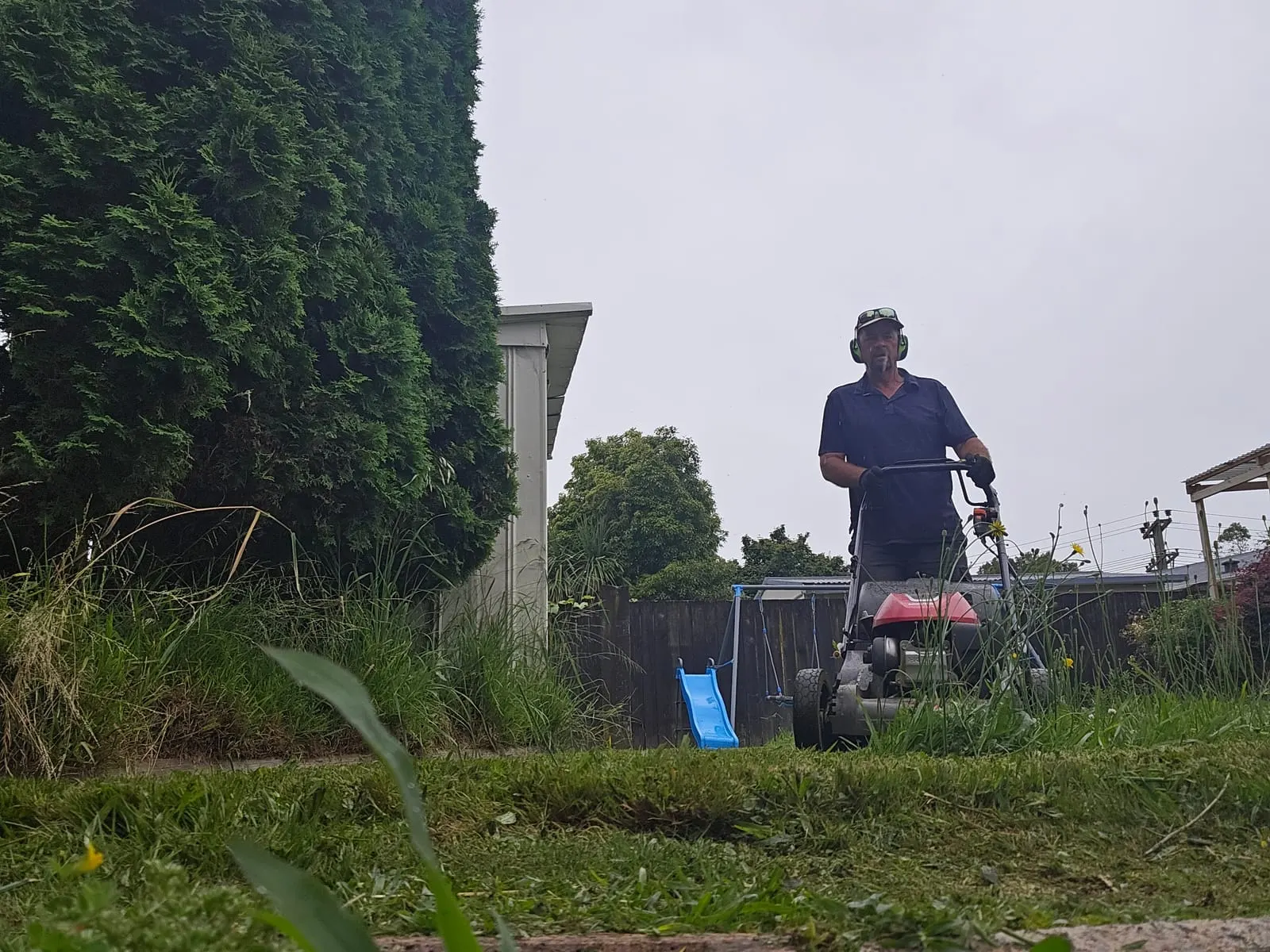
Every November the same message comes in from Hamilton homeowners: “I only mowed it on Saturday and it already looks shaggy.” Thin stalks poking up all over the lawn, a few days after a cut, sometimes with little yellow flowers on top. The lawn isn’t growing faster than it should. It’s going to seed.
Here’s what those stalks are, why they turn up now, and how to keep the lawn looking tidy until they stop around Christmas.
The Short Answer
- It’s normal. Ryegrass, the main grass in most Hamilton lawns, sends up seed heads from late October to about mid-December. The long days switch it on.
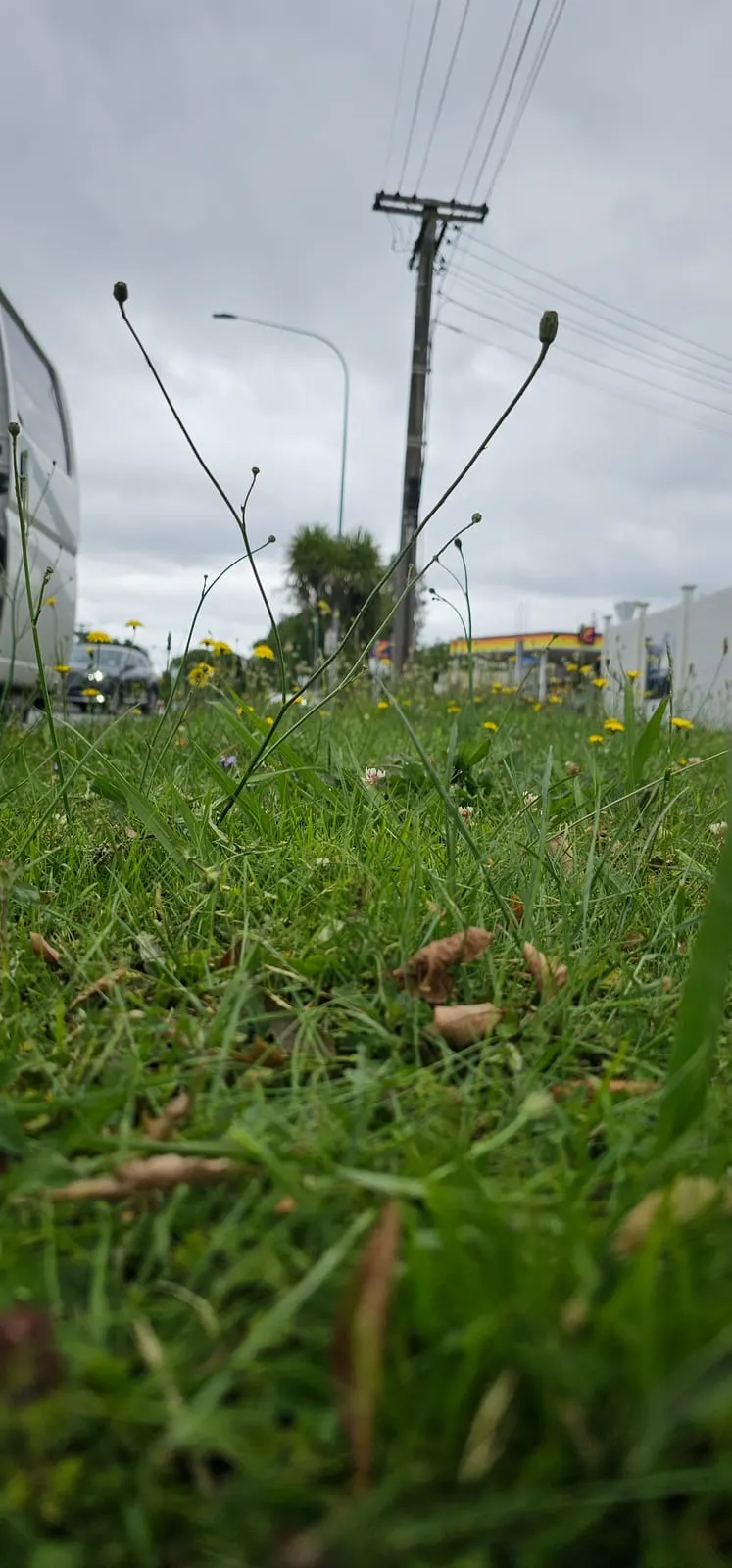
- Tall wiry stalks with yellow flowers are usually catsear, a flat weed, not grass. They pop back up two or three days after a mow.
- The fix is mowing more often with a sharp blade, not cutting lower.
- It stops on its own. Once the seeding flush finishes in December, the lawn looks like itself again.
What Are the Stalks in My Lawn?
There are three usual suspects in a Hamilton lawn this time of year.
- Ryegrass seed heads. A flat stem with small spikelets stacked along both sides, a bit like a skinny ear of wheat. The stem is tougher than the leaf, so it springs back up after the mower has passed over it.
- Winter grass (Poa). Low, pale green tufts with soft, whitish seed heads that sit down at mowing height. It makes a lawn look patchy and washed-out rather than shaggy. It seeds most of the year but goes hardest in spring.
- Catsear and hawkbit. A flat rosette of leaves you hardly notice, then tall, bare, wiry stalks with a yellow dandelion-type flower on top. These are the ones that make a lawn look uncut two days after it was mowed.
Later in summer a fourth one turns up: tall, tough stalks with a few flat spikes of sticky seed down one side. That’s paspalum, and it needs a different approach.
Why It Happens in November
Ryegrass flowers when the days get long and the soil warms up. In the Waikato that lines up with late October through November. Every ryegrass plant in the lawn tries to set seed at roughly the same time, which is why it seems to happen all at once and why your neighbour’s lawn looks the same.
It also lands right on top of the fastest growth of the year. Warm soil, plenty of rain, long days. So you get the leaf growing flat out and stalks shooting up through it. That’s why November is the month a lawn seems to get away on you.
How to Keep It Tidy
- Mow more often, not shorter. Every 7 to 10 days through November. Each cut takes the stalks off before they get tall and woody, and the lawn never looks long.
- Sharpen the blade. Seed stalks are tough. A blunt blade bends them over instead of cutting them, and they stand back up an hour later. A sharp blade slices them clean.
- Don’t drop the mower to get rid of them. Cutting lower doesn’t stop seeding, it just scalps the lawn and turns it yellow. Keep to the right mowing height for your grass.
- Change direction each mow. Stalks lean the way you last mowed. Going across the lawn the other way catches the ones that were pushed flat.
- Catch the clippings. Mulching seed heads back into the lawn spreads the weeds and winter grass you don’t want. Use the catcher while it’s seeding.
- Edge it. Stalks along fences, paths and garden edges are what make a lawn look scruffy from the street. A quick go round with the trimmer fixes most of it.
If it’s catsear, mowing only keeps the flowers down. The plant lives in the flat rosette underneath. A broadleaf lawn weed spray from the garden centre in spring or autumn takes the plant out. Spot spray, don’t blanket the whole lawn, and keep it off the day you mow so the weed has leaf to take it in.
Is a Lawn Going to Seed a Bad Sign?
No. A ryegrass lawn putting up seed heads is a healthy grass doing what it does every spring. It doesn’t mean the lawn is dying, short of food or needs water.
What it does mean is that a lawn left for three or four weeks in November goes from tidy to paddock fast. Once the stalks get tall they go woody, lie over, and leave the lawn yellow and stalky after the mow. That’s why November is the worst month to let the mowing slip, and why a lawn mowed regularly through spring barely shows the seeding at all.
Don’t want to keep up with it?
Regular lawn mowing across Hamilton, on the same day every fortnight, with a sharp blade and the edges done. Clippings taken, from $35 a mow. Call with your address and we’ll give you a price the same day.
Call 0274 871 518Frequently Asked Questions
Why does my lawn look uncut two days after mowing?
In November it’s usually seed stalks. Ryegrass seed heads and catsear flower stalks are tougher than the grass leaf. A mower bends them over and they stand back up within a day or two. A sharp blade and mowing every 7 to 10 days keeps them down.
When does grass go to seed in Hamilton?
Ryegrass seeds from late October to about mid-December, when the days are long and the soil is warm. Paspalum seed heads follow from about December through to March.
What are the tall stalks with yellow flowers in my lawn?
Usually catsear or hawkbit. They are flat weeds that grow as a rosette of leaves in the grass, then send up bare, wiry stalks with a yellow dandelion-like flower. Mowing removes the flowers, but a broadleaf lawn weed spray is what kills the plant.
Should I cut my lawn shorter to stop it seeding?
No. Cutting lower doesn’t stop the grass from flowering, it just scalps the lawn, turns it yellow and lets weeds in. Mow at the normal height, more often, with a sharp blade.
Is my lawn going to seed a bad sign?
No. Ryegrass putting up seed heads in spring is normal and healthy. It stops on its own in December. It only becomes a problem if the lawn is left long, because tall stalks go woody and leave the lawn yellow after the mow.
Happy mowing!