
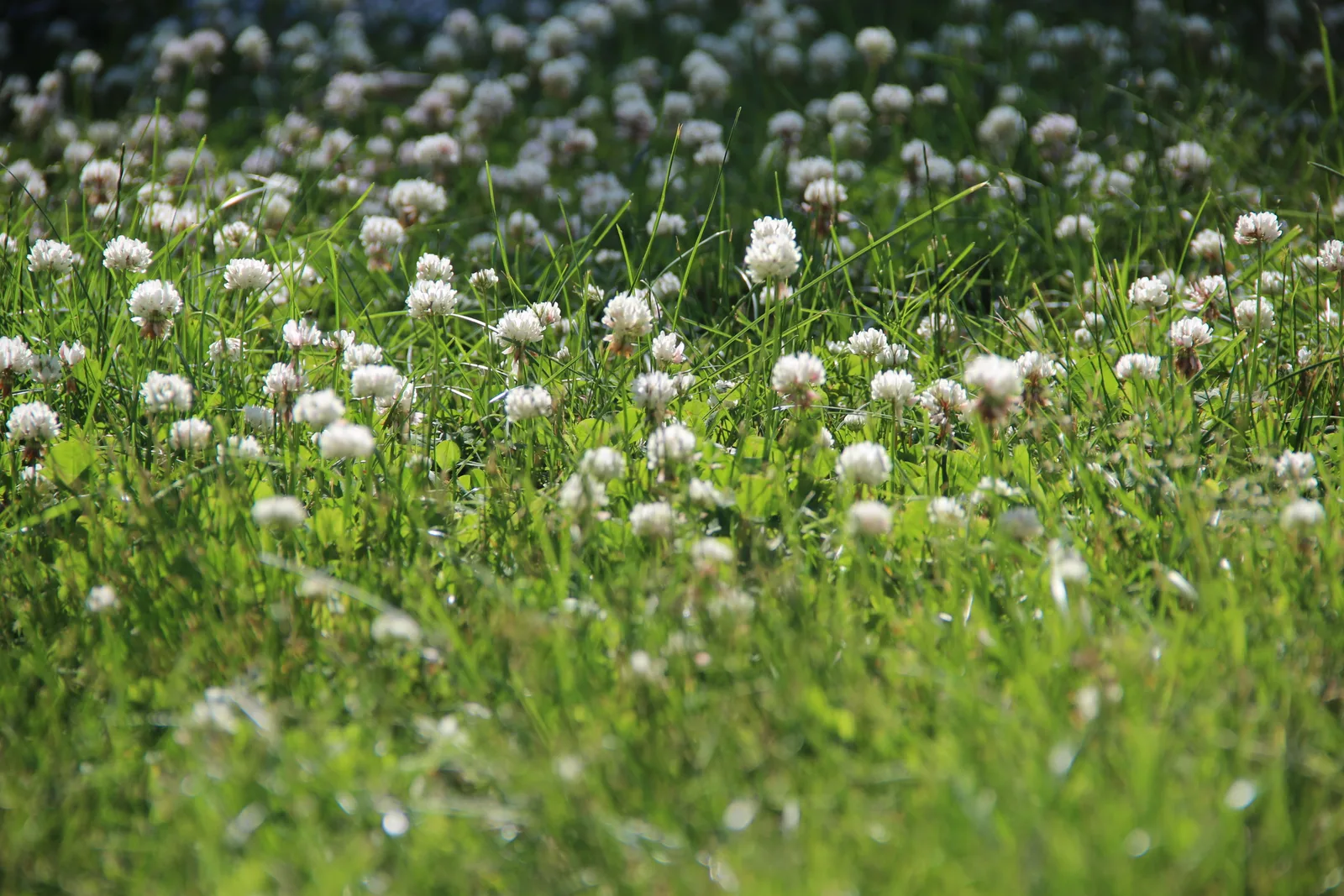
Clover in Your Hamilton Lawn: Why It Takes Over and How to Get Rid of It
Published 28 September 2026 · Gecko Lawns, Hamilton · Cover photo: white clover in a lawn by NY State IPM Program, CC BY 2.0
Every October the same thing happens on a few of our Hamilton lawns. The grass comes away after winter, we mow it, and a week later there are dark green patches that sit flatter than the rest, and by November they are covered in white flowers and bees. That is white clover, and once it gets going it does not stop on its own.
Here is why it moves in, why mowing does nothing about it, how to tell it from the weed everyone mistakes it for, and the two-part fix that actually works: spray it in spring, then feed the grass so it stays gone.
Why Clover Takes Over a Lawn
Clover is not really a weed problem. It is a hungry lawn problem.
Grass needs nitrogen to grow thick. Clover does not, because it makes its own. It has little nodules on its roots with bacteria in them that pull nitrogen out of the air. That is the whole reason Waikato farmers sow it into their paddocks: it feeds the pasture for free. It also means clover is perfectly happy in soil that is too poor for grass to grow properly, and in a lawn that has not been fed for a few years, the grass thins out and the clover walks straight in.
Three things make it worse:
- No fertiliser. A lawn that has never been fed is a clover lawn waiting to happen. It is the number one cause.
- Mowing short. Clover grows flat along the ground on runners, so the mower goes straight over it. Scalping the grass weakens the grass and lets more light down to the clover. Every short mow tips the balance a bit further its way.
- Thin, compacted soil. Clover copes with hard ground far better than grass does. The newer lawns in Rototuna, Flagstaff and Huntington were mostly sown onto a thin skim of topsoil over compacted clay, and they get clover fast. The old kikuyu lawns in Nawton and Dinsdale are so dense the clover struggles to get a foothold.
And the seed is everywhere. This is dairy country. Clover seed is in the soil already, it rides in on cheap lawn mix and topsoil, and it stays alive in the ground for years. You are never going to get rid of the seed. You can only make the lawn a place where grass wins.
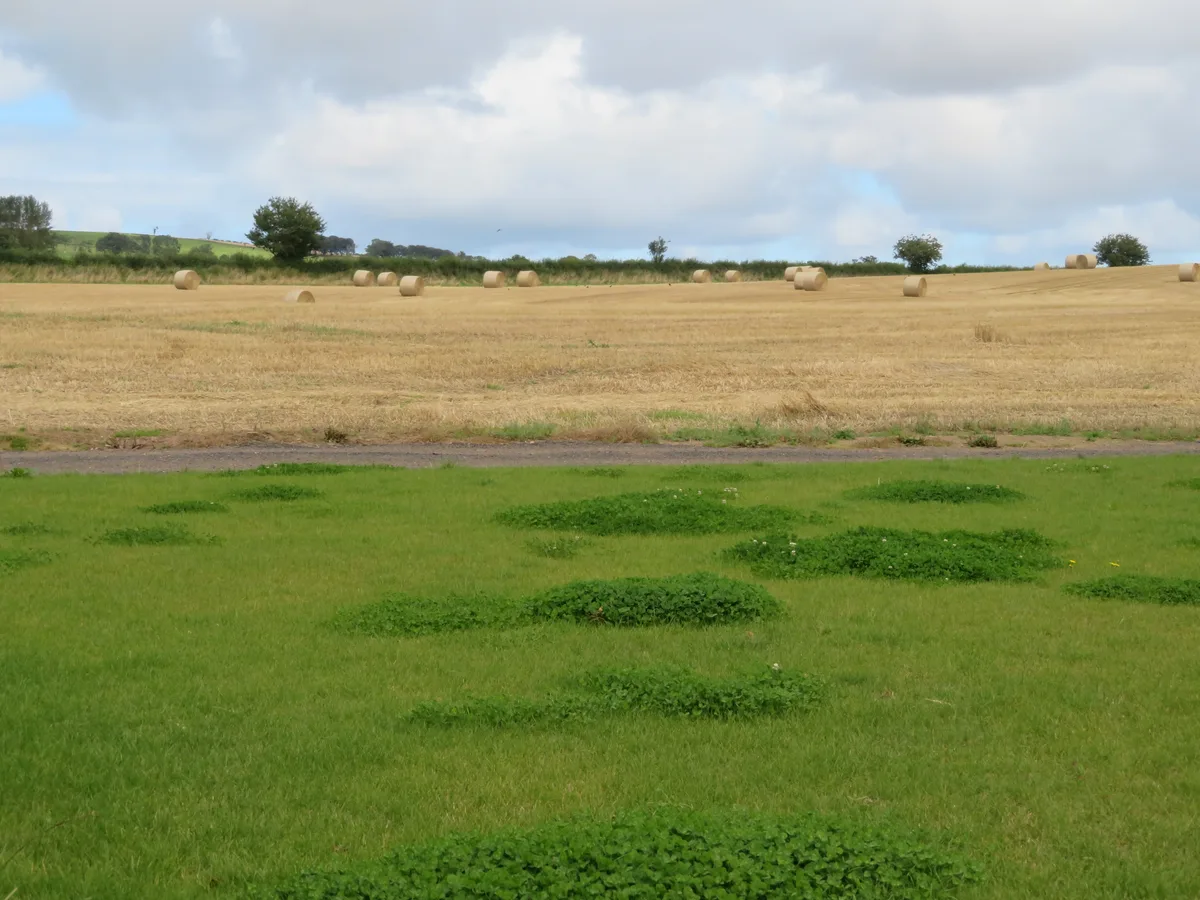
Clover or Oxalis? Check the Leaf
Half the “clover” people ask us about is not clover. Both have three leaflets, and that is where the resemblance ends.
- White clover. Rounded leaflets, usually with a pale white or grey chevron across each one. White flower heads like little pompoms from about November on. Runners along the ground that root as they go.
- Oxalis. Heart-shaped leaflets that fold up at night, no chevron, and small yellow flowers. It grows from little bulbs underground, which is why pulling it makes it worse.
- Suckling clover. The little one. Tiny leaves, tiny yellow flowers, all through the lawn in spring and gone by summer. Same family as white clover and the same spray deals with it.
Why it matters: the selective lawn sprays sold in Hamilton nearly all list clover, but only some list oxalis. Read the label for the weed you actually have.
Mowing Does Not Fix It, But It Helps
You cannot mow clover out. It sits under the blade. What you can do with the mower is stop helping it.
- Mow higher. Put the mower up a notch or two from where it normally sits. Longer grass shades the ground, and clover hates shade. This one change slows it down more than anything else that does not come in a bottle.
- Mow before it flowers. Clover in flower is clover setting seed. In November and December, mowing every week or so takes the flower heads off before they finish, and keeps the bees out of the lawn if you have kids running around barefoot.
- Catch the clippings for a while. If the clover is flowering, the catcher stops you spreading seed across the rest of the lawn. Once the flowers are gone, mulching is fine again.
If you do nothing else, mowing higher and feeding the lawn will hold clover to a few patches. If you want it gone, keep reading.
Spraying Clover: October and November Are the Months
Clover takes spray up best when it is growing hard, which in Hamilton is October and early November, before it flowers properly. The Waikato lawn care calendar puts all broadleaf spraying in October for the same reason. The other window is March. Do not bother in the middle of summer when the lawn is stressed, and do not bother in winter when nothing is growing.
How to do it properly:
- Buy a selective lawn weedkiller with clover on the label. Selective is the word that matters. It takes the broadleaf weed and leaves the grass. Never use a glyphosate product like Roundup on a lawn. It kills everything, grass included, and you will be sowing the whole thing again.
- Mow two or three days before you spray with the mower up a notch. You want the clover leaves there to catch the spray, and the grass to have healed from the cut.
- Pick a still, dry day. No wind, so it does not drift onto the vege garden or the neighbour’s roses. No rain expected for a couple of hours. Not with a frost coming and not when the lawn is dry and stressed.
- Then leave it alone for two weeks. No mowing. The spray has to travel from the leaves down to the roots and that takes time. If the lawn is desperate for a cut, put the mower right up so you take the grass and leave the clover leaves.
- Expect to go twice. Clover is one of the tougher lawn weeds. A light scatter dies with one spray. A thick, well-established patch usually needs a second go a few weeks after the first.
- Keep clippings out of the compost for a good few months afterwards. The label will say how long. The spray does not break down quickly and it will kill tomatoes.
- Gloves, long sleeves and glasses. It is a herbicide. Treat it like one.
If you want to do it yourself, this is the one most Hamilton garden centres and hardware stores carry. The label lists clover specifically, and Kiwicare’s clover page has the full how-to.
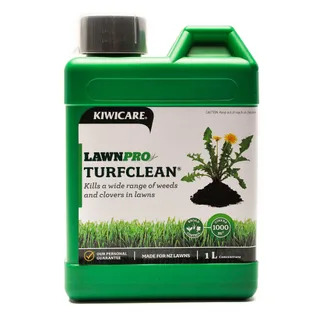 LawnPro Turfclean
A selective broadleaf weedkiller made for NZ lawns, and the label says it is especially effective on clover. Mixed in a sprayer, it leaves the grass standing. Kiwicare’s clover page explains what clover is doing in your lawn and how to spray it.
Read Kiwicare’s clover guide →
Not a paid link. We don’t sell or apply it — we just mow the lawn.
LawnPro Turfclean
A selective broadleaf weedkiller made for NZ lawns, and the label says it is especially effective on clover. Mixed in a sprayer, it leaves the grass standing. Kiwicare’s clover page explains what clover is doing in your lawn and how to spray it.
Read Kiwicare’s clover guide →
Not a paid link. We don’t sell or apply it — we just mow the lawn.
For a couple of small patches, skip the spray. Wait until the ground is wet, get your fingers under the runners and pull the whole mat up. It comes away easily if you get the runners and not just the leaves.
The Part Everyone Skips: Feed the Lawn
Spraying kills the clover that is there today. It does nothing about why it was there. If you spray in October and leave it at that, the seed in the soil comes up in the same thin patches and by next spring you are back where you started. We see it every year.
- Feed the grass a couple of weeks after spraying. A lawn fertiliser with a decent amount of nitrogen in it, watered in. That is the one thing clover cannot compete with. Thick, well-fed grass shades it out and starves it of space.
- Put seed in the bare patches. Where the clover was, there is now bare dirt, and bare dirt in Hamilton fills with prickle weed, dandelions, or more clover. October is the month to patch it with seed while the soil is warm and there is still rain about.
- If the ground is hard, open it up. Clover loves compacted soil and grass does not. Aerating a hard lawn in spring gives the grass roots somewhere to go.
- Keep mowing high. For good. The spring lawn guide has the rest of the spring jobs in order.
Feed twice a year, spring and autumn, and mow high, and most Hamilton lawns stop having a clover problem within a couple of seasons. It is not the spray that does that. It is the feeding.
Or Just Leave It
Honest answer: plenty of people do, and there is a case for it. Clover stays green right through a dry February when the grass has gone brown. It feeds the grass around it. The bees love it. If nobody in your house walks on the lawn barefoot and you do not mind the patchy look, a lawn with some clover in it is not a lawn with a problem. It is only worth the spraying and the feeding if you want a lawn that is all grass. Your lawn, your call.
Want the mowing done right while you sort the clover?
We mow high, we mow on the day we say, and we’ll tell you what we see in the lawn. Free quote, no obligation — or see what lawn mowing costs in Hamilton first.
Call 0274 871 518Frequently Asked Questions
Why is my lawn full of clover?
Because the grass is hungry. Clover makes its own nitrogen from the air, so it thrives in soil that is too low in nitrogen for grass to grow thick. A lawn that has not been fed for a few years, is mown short, or sits on thin topsoil over clay is exactly where clover wins. Feed the lawn and the grass starts winning again.
Does mowing get rid of clover?
No. Clover grows flat along the ground on runners, so the mower goes straight over it. Mowing short actually helps it, because it weakens the grass and lets more light down to the clover. Mow a notch higher and the grass shades it out.
What kills clover but not the grass?
A selective lawn weedkiller with clover on the label. Selective means it takes the broadleaf weed and leaves the grass. Do not use a glyphosate product like Roundup on a lawn, it kills the grass too. Clover is one of the tougher lawn weeds, so a thick patch often needs a second spray a few weeks after the first.
When is the best time to spray clover in Hamilton?
October and November, while it is growing hard and before it flowers properly. Mow two or three days before you spray, pick a still day with no rain expected for a couple of hours, and then leave the lawn unmown for about two weeks so the spray has time to work through the leaves to the roots.
Will the clover come back after I spray it?
If you do nothing else, yes. Clover seed sits in the soil for years, and the spray only kills the plants that are there today. Feed the lawn with a nitrogen fertiliser after the clover dies, and put seed in the bare patches, so the grass fills the gaps before the clover does.
Is clover actually bad for a lawn?
Not really. It stays green through a dry Hamilton summer when the grass goes brown, it feeds the grass around it, and the bees love the flowers. The problems are the bees if you have kids running around barefoot, the patchy look, and the way it slowly pushes the grass out. Plenty of people leave it. If you want a lawn that is all grass, deal with it in spring.
Does Gecko Lawns spray clover?
No. We mow and edge. We will tell you if the lawn is getting patchy with clover and what we would do about it, but the spraying and feeding is a job for you or a garden centre product on a Saturday morning.
Happy mowing!